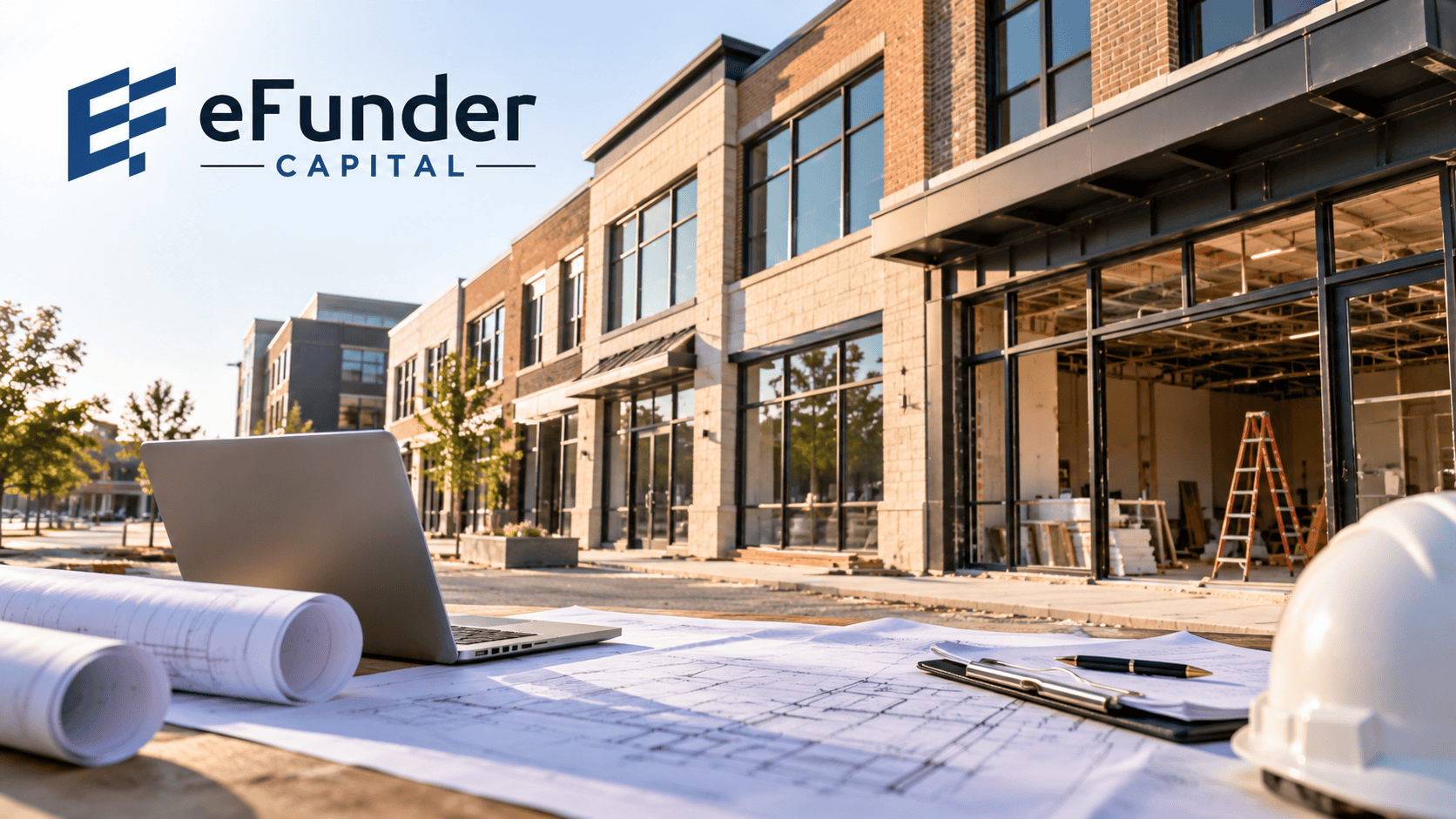


Downtown Pittsburgh continues to attract interest from developers and real estate investors looking to reposition older commercial buildings. Office conversions, mixed use projects, hotel renovations, and adaptive reuse developments are among the types of projects being explored throughout the city.
Projects of this type often require more than a traditional commercial real estate loan. Large redevelopment efforts may involve multiple sources of capital to address acquisition costs, construction expenses, renovation budgets, and contingency reserves.
Understanding how capital stacks are commonly structured can help investors and brokers better evaluate redevelopment opportunities before seeking financing.
What Is a Capital Stack?
A capital stack is the combination of funding sources used to finance a commercial real estate project.
Rather than relying on a single loan, redevelopment projects often combine several forms of capital. Each layer serves a different purpose and carries its own level of risk and return.
Capital sources commonly used in similar redevelopment projects include:
- Sponsor equity
- Senior financing
- Mezzanine financing
- Preferred equity
- Bridge financing
- Historic tax credits, when applicable
- Local, state, or federal redevelopment incentive programs, when available
The financing structure depends on factors such as the property’s condition, redevelopment plan, project costs, and market conditions.
Why Capital Stack Planning Matters
Redevelopment projects often involve significant costs beyond the purchase price.
Older buildings may require structural improvements, environmental remediation, mechanical system upgrades, or code compliance work before they can be leased or occupied.
Developments like this often evaluate multiple financing sources because one loan may not cover every project expense.
A carefully planned capital stack may help developers address funding gaps while maintaining flexibility throughout the project.
Potential Capital Stack Options for Downtown Pittsburgh Redevelopment
Every redevelopment project is unique. The financing approach depends on the property’s characteristics, redevelopment strategy, borrower qualifications, and available capital.
Potential financing considerations include the following.
Sponsor Equity
Most redevelopment projects begin with an equity contribution from the investor or development group.
Equity demonstrates financial commitment and typically represents the first layer of the capital stack.
Senior Financing
Senior financing often provides the largest portion of project funding.
Mezzanine Financing
Projects with larger capital requirements may evaluate mezzanine financing to bridge the gap between senior financing and available equity.
This layer generally carries higher risk than senior financing because it is subordinate within the capital stack.
Preferred Equity
Preferred equity may also be considered when additional project capital is needed.
Unlike traditional debt, preferred equity represents an ownership investment with negotiated return expectations.
Public Incentives
Certain redevelopment projects may qualify for public incentive programs designed to encourage investment in urban redevelopment.
Eligibility depends on program requirements and the specific characteristics of each project.
Example Capital Stack for a Downtown Pittsburgh Redevelopment Project
The following example is for educational purposes only.
Project costs include:
- Purchase price: $5,000,000
- Renovation costs: $3,200,000
- Soft costs and reserves: $800,000
Total project cost:
$9,000,000
Projects of this type may utilize a capital stack similar to the following:
- Sponsor equity: $2,000,000
- Senior financing: $5,800,000
- Additional capital source: $1,200,000
Actual financing structures vary significantly based on project economics, borrower qualifications, underwriting, and market conditions.
Common Capital Stack Mistakes
Expecting One Loan to Cover the Entire Project
Redevelopment projects frequently require multiple financing sources.
Understanding potential funding gaps early can improve project planning.
Underestimating Renovation Costs
Unexpected building conditions can increase redevelopment expenses.
Including contingency reserves may help reduce financial pressure during construction.
Ignoring Carrying Costs
Property taxes, insurance, utilities, financing costs, and operating expenses continue throughout redevelopment.
These expenses should be included in the overall project budget.
Waiting Too Long to Evaluate Financing
Many investors focus first on the acquisition and evaluate financing later.
Reviewing potential capital structures early may help identify challenges before entering a purchase agreement.
Focusing Only on Interest Rates
The overall financing structure often has a greater impact on project performance than interest rate alone.
Repayment terms, draw schedules, reserves, and capital flexibility all influence project execution.
Conclusion
Projects of this type often evaluate multiple capital sources to support acquisition, renovation, and stabilization. Understanding how capital stacks are commonly structured can help investors and brokers better assess redevelopment opportunities and prepare for financing discussions.
As a financing platform for commercial real estate investors and brokers, eFunder Capital helps review deal scenarios and identify financing structures that may align with the characteristics of each transaction.
If you have a deal you would like reviewed, submit it here: https://efundercapital.com/deal-intake