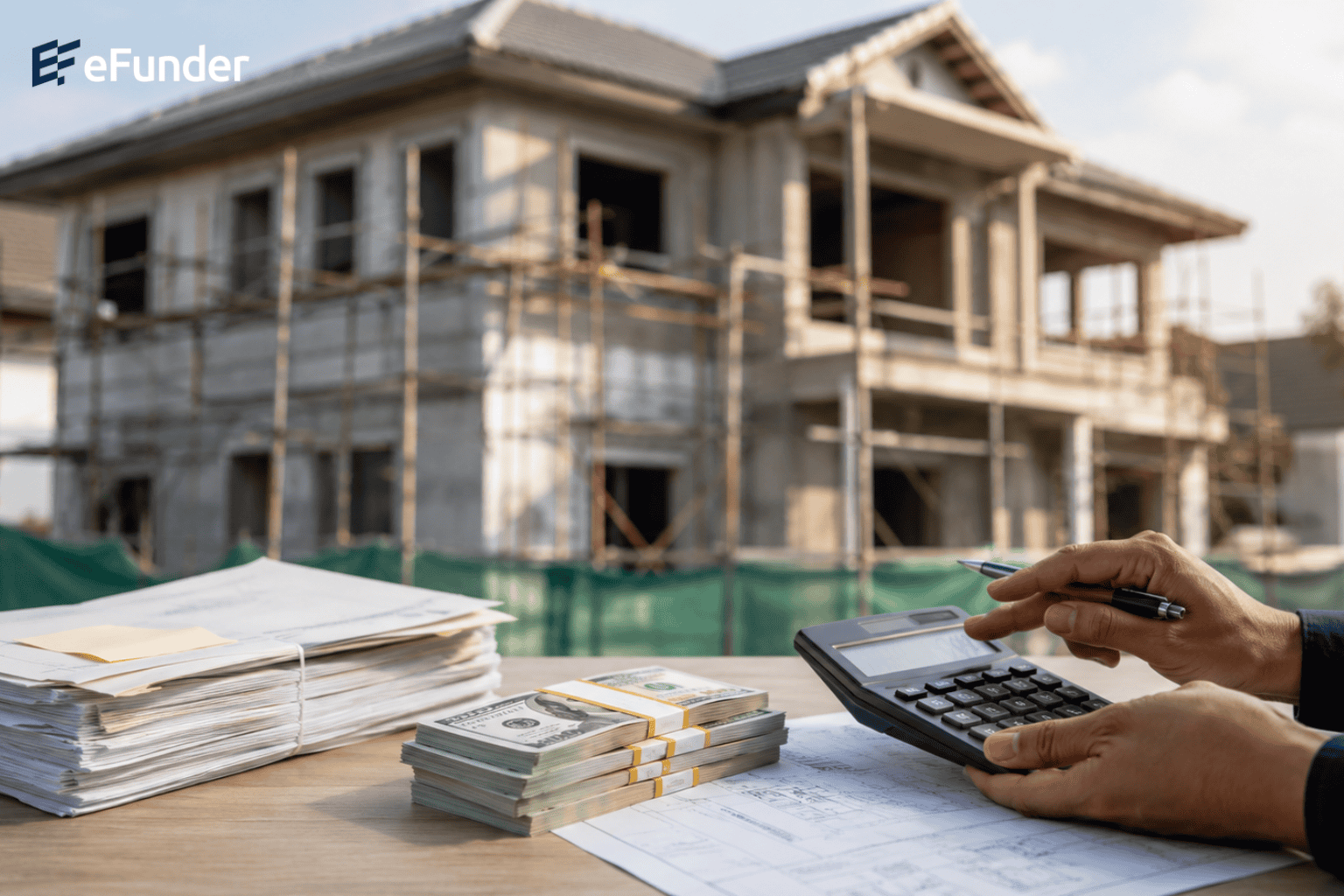
Loan to value, commonly called LTV, is one of the first numbers real estate investors look at when evaluating bridge financing. It is easy to understand why. The amount a lender is willing to finance can directly affect how much cash an investor needs to bring to a transaction. But...
Many real estate investors spend a great deal of time comparing interest rates, estimating renovation costs, and projecting rental income. While these are all important, another factor often has an even greater impact on the success of a project: the capital stack. A capital stack refers to the combination of...
After Repair Value, commonly called ARV, is one of the most important figures in real estate investing. Whether an investor is renovating a single-family home or completing multiple fix and flip projects, ARV helps determine a property’s potential value after renovations are complete. Lenders also rely on ARV when reviewing...
Many fix and flip investors focus on finding the right property and estimating renovation costs. However, understanding how renovation funds are released is just as important to keeping a project on schedule. Unlike a traditional mortgage where funds are typically disbursed at closing, a fix and flip loan often releases...
Understanding fix and flip loan requirements is one of the first steps toward financing a successful renovation project. While every transaction is evaluated individually, most financing solutions are based on a combination of the property’s characteristics, the borrower’s financial profile, the renovation plan, and the overall investment strategy. Unlike financing...
After Repair Value, or ARV, is one of the most important concepts in real estate investing, especially for investors purchasing properties that need renovation. Whether you are completing your first fix and flip project or evaluating multiple investment opportunities, understanding ARV can help you estimate a property’s potential value before...
A 200-unit mixed-use development is one of the more complex types of commercial real estate projects to finance. Combining residential units with retail, office, or other commercial space creates opportunities for diversified income, but it also requires careful planning and a financing structure that supports each stage of development. Unlike...
A fix and flip loan is a short-term financing solution designed for real estate investors who purchase properties with the intention of renovating and selling them for a profit. Unlike long-term financing that supports rental or owner occupied properties, fix and flip financing is structured around a property’s purchase, renovation,...
Fix and flip projects depend on more than finding the right property. Investors also need financing that aligns with a short-term investment strategy. Unlike long-term rental financing, fix and flip financing is designed to help investors acquire, renovate, and sell a property within a relatively short period. Understanding how this...
Commercial real estate transactions often require more than a single loan. As projects become larger or more complex, investors frequently combine multiple sources of capital to finance an acquisition, development, or refinance. Understanding how senior debt, mezzanine debt, and equity work together is essential for real estate investors and mortgage...