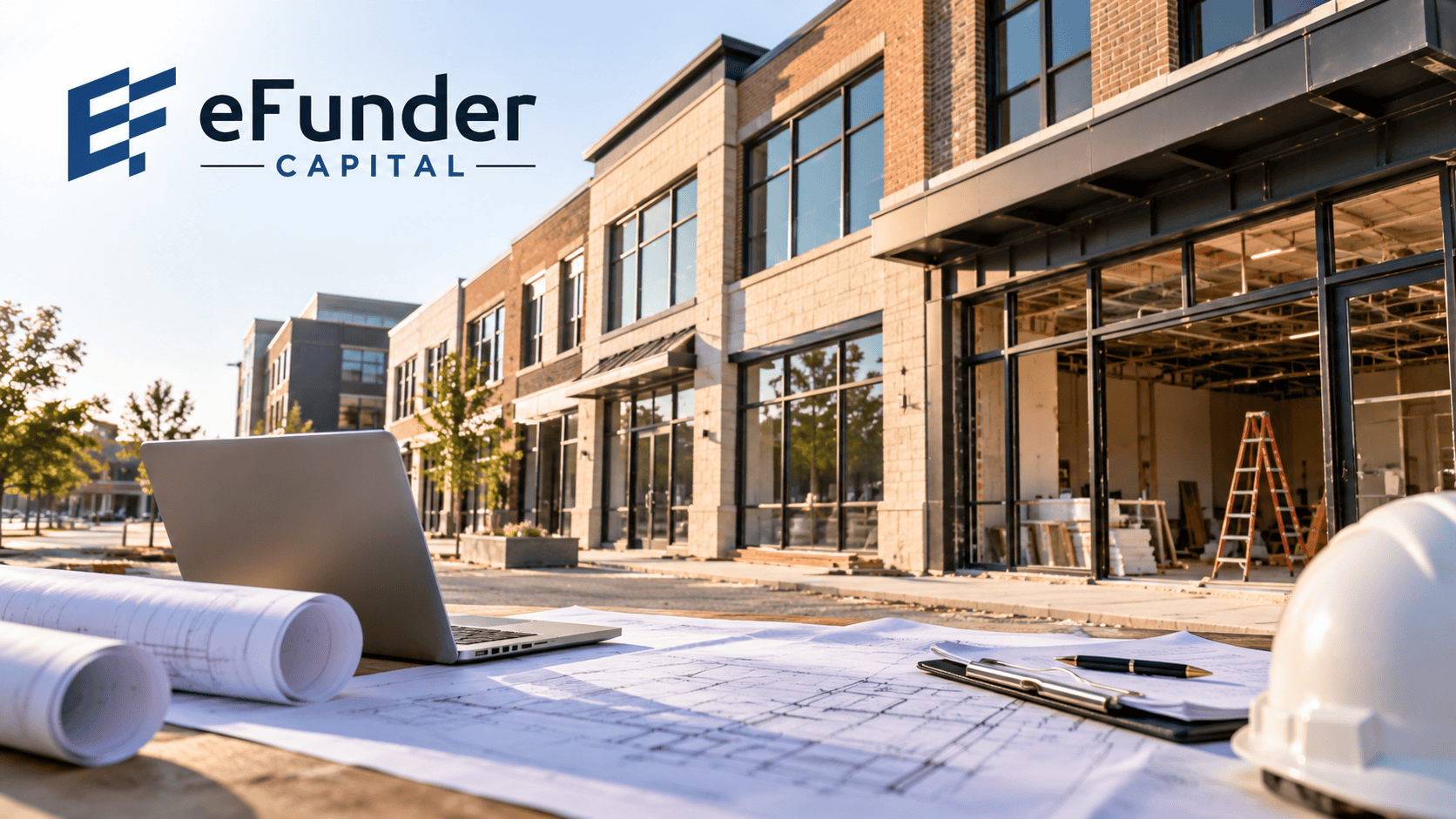


Adaptive reuse can turn an outdated or underused property into an entirely different type of real estate asset. An investor might convert an old office building into apartments, transform a warehouse into mixed-use space, or reposition a former retail property for a new commercial purpose.
The opportunity can be attractive because the investor is working with an existing structure rather than starting with vacant land. But an existing building does not necessarily make the project simple.
From a financing perspective, adaptive reuse projects can be more complicated than standard acquisitions or renovations. The property may not generate enough income during construction, renovation costs may change as work progresses, and the finished property can be significantly different from what exists today.
For investors and brokers, understanding these challenges before seeking financing can make it easier to structure a realistic capital plan.
What Adaptive Reuse Financing Involves
Adaptive reuse financing is funding used to acquire, renovate, reposition, or refinance an existing property that is being converted to a new use.
For example, an investor might purchase a vacant office building and convert it into apartments. Another investor might acquire an older commercial building and create retail space on the first floor with residential units above.
These projects go beyond ordinary cosmetic renovations. The property’s use, layout, income profile, or operating model may change substantially.
That creates an important financing question.
The property has one condition and value today, but the investment strategy depends heavily on what the property could become after the project is completed.
Financing therefore needs to be considered in relation to the acquisition, construction or renovation plan, stabilization period, and eventual exit strategy.
Depending on the transaction, short-term bridge financing, commercial property financing, or another real estate investment structure may be considered. The appropriate structure depends on the property, borrower, project scope, capital requirements, and intended exit.
Why Adaptive Reuse Projects Can Be Difficult to Finance
Adaptive reuse combines several risks that may not appear in a stabilized real estate acquisition.
One of the biggest is uncertainty.
A stabilized apartment building, for example, may already have tenants, leases, operating history, and documented rental income. An office building being converted into apartments may have none of those characteristics yet.
The investor is asking the financing structure to support a property during a major transition.
The Current Income May Be Limited
Many adaptive reuse properties are vacant, partially occupied, or generating income based on their existing use.
That income may decline further once construction begins.
This can make current property cash flow less useful when evaluating the project’s ability to support debt. The financing analysis may need to place greater emphasis on the project plan, property value, borrower experience, capital contribution, and expected stabilized performance.
Renovation Costs Can Be Difficult to Predict
Existing buildings can hide expensive problems.
Once construction begins, an investor might discover electrical systems that require additional work, plumbing problems, structural issues, environmental concerns, or building systems that need to be replaced.
A project that initially appears to require $1 million in improvements might require more once contractors begin opening walls and inspecting existing systems.
That uncertainty affects the financing plan because the project needs enough capital to reach completion.
The Finished Property May Be Very Different
Adaptive reuse often changes the property’s economic profile.
A vacant office property may become a multifamily asset. An industrial property may become mixed-use. A former retail building might be converted into another commercial use.
The financing therefore cannot be considered only around what the property is today. Investors also need a realistic view of what the property will be worth and how it will operate after completion.
The Exit Strategy Matters
Short-term financing is only one stage of many adaptive reuse projects.
The investor may plan to renovate the property, lease it, stabilize the income, and then refinance into longer-term financing. Another investor may plan to sell after completing the conversion.
Either strategy depends on successful execution.
If construction takes longer than expected or lease-up is slower than projected, the planned exit may also be delayed.
How Financing an Adaptive Reuse Project Works
Although every transaction is different, adaptive reuse financing can generally be evaluated in several stages.
Step 1: Evaluate the Property in Its Current Condition
The starting point is the existing property.
Important questions can include:
- What type of property is it today?
- Is it occupied or vacant?
- What condition is the building in?
- Does it currently generate income?
- What is the purchase price?
- What is its current value?
Investors should avoid evaluating the transaction only on the potential future value.
The starting condition still matters because it affects acquisition costs, leverage, risk, and the amount of capital needed to execute the project.
Step 2: Define the Conversion Plan
The next step is clearly defining what the property will become.
A financing review may consider the construction budget, project timeline, proposed use, contractor information, investor experience, and expected completion plan.
A vague renovation estimate is usually not enough for a complex conversion.
The more complicated the project, the more important it becomes to have a detailed scope and budget.
Step 3: Determine the Total Capital Requirement
Investors should look beyond the purchase price.
The capital requirement may include:
- property acquisition
- construction and renovation
- professional fees
- permits
- carrying costs
- financing costs
- contingency reserves
- lease-up expenses
This produces a more realistic picture of the total project cost.
An investor who budgets only for acquisition and visible construction work may find a funding gap later in the project.
Step 4: Structure the Financing Around the Business Plan
The financing structure should reflect what the investor is actually trying to accomplish.
For a property that needs significant work before it can support permanent financing, a short-term structure may be considered for the acquisition and repositioning phase.
The investor may then seek longer-term financing after the building is complete and operating more consistently.
eFunder Capital operates as a real estate financing platform that helps evaluate deal scenarios and identify financing structures based on factors such as property type, loan purpose, borrower experience, and investment strategy.
Specific terms and requirements depend on the transaction and financing program.
Step 5: Plan the Exit Before Closing
The exit should not be treated as an afterthought.
If the plan is refinancing, investors should consider what the property needs to look like at that point.
Will construction be complete?
Will the property need a certain level of occupancy?
How much income could it realistically generate?
Will the completed property support the intended long-term debt?
These questions can help determine whether the initial financing structure fits the full investment plan rather than only the acquisition.
Example: Converting an Office Building Into Apartments
Consider an investor purchasing a small office building for $2.2 million.
The building is partially vacant, and the investor plans to convert it into a 20-unit apartment property.
The initial project numbers look like this:
Purchase price: $2,200,000
Renovation and conversion budget: $1,300,000
Professional fees, carrying costs, and contingency: $350,000
Estimated total project cost: $3,850,000
The investor expects the completed and stabilized property to be worth approximately $5 million based on projected rents and comparable properties.
At first glance, the difference between the estimated total project cost and future value may appear attractive.
But financing the project requires looking deeper.
The property does not currently operate as a 20-unit apartment building. Its existing office income may decline or disappear during construction.
The renovation budget also contains uncertainty because the investor is modifying an existing structure.
Suppose construction begins and previously unidentified plumbing and electrical work adds $150,000 to the project.
The total cost is now approximately $4 million.
If the investor did not include sufficient contingency capital, that additional cost could create a funding gap.
There is another issue.
Suppose construction was expected to take 10 months, followed by four months of lease-up. Instead, construction takes 13 months and stabilization requires another six months.
The project now requires more carrying capital and a longer financing timeline.
This example shows why adaptive reuse financing cannot be evaluated only by comparing the purchase price with the projected completed value.
The investor also needs to account for construction risk, carrying costs, timing, stabilization, and the exit.
Common Mistakes in Adaptive Reuse Financing
Underestimating the Total Project Cost
One of the most common mistakes is focusing too heavily on the purchase price and construction budget.
Professional fees, permits, insurance, interest, taxes, utilities, contingencies, and lease-up costs can add materially to the capital requirement.
Investors should build the financing plan around the full project cost.
Using an Unrealistic Construction Budget
Adaptive reuse involves an existing structure, and existing structures can contain surprises.
A budget with little or no contingency can leave the project vulnerable to unexpected expenses.
Getting detailed contractor estimates and performing appropriate property inspections can help investors develop a more realistic budget.
Assuming Future Value Will Solve Every Problem
A strong projected value does not automatically make a project easy to finance.
The project still needs enough capital to reach that future condition.
Investors should pay attention to the path between acquisition and stabilization, not only the expected value at the end.
Ignoring the Stabilization Period
Construction completion and financial stabilization are not always the same thing.
A newly converted apartment building may need time to lease units. A repositioned commercial property may need time to attract tenants.
The financing plan should account for this period.
Failing to Plan for Delays
Permitting, construction, inspections, and tenant improvements can all take longer than expected.
If the financing timeline assumes everything will happen exactly on schedule, even a modest delay can create pressure.
A more conservative timeline can help investors understand how the transaction might perform if execution takes longer than planned.
Choosing Financing Based Only on Rate
Interest rate matters, but it is not the only consideration in a complex real estate project.
Investors should also consider the financing term, leverage, capital requirements, renovation funding structure, timing, and exit strategy.
A financing structure needs to fit the business plan.
Waiting Too Long to Think About Permanent Financing
If the investor plans to refinance after stabilization, the permanent financing strategy should be considered before the adaptive reuse project begins.
Planning the exit early can reduce the risk of reaching the end of a short-term financing period without a practical next step.
Conclusion
Adaptive reuse can create value by giving an existing property a new economic purpose, but financing these projects requires careful planning.
The challenge is that the property is changing.
Its current use may not generate enough income to support the future plan. Construction costs can change. Timelines can extend. The completed property’s value and income may depend on successful renovation and stabilization.
Investors and brokers should therefore evaluate the full transaction, including acquisition cost, renovation budget, contingency capital, carrying costs, timeline, future income, and exit strategy.
A strong adaptive reuse financing plan connects each stage of the project rather than treating acquisition, construction, stabilization, and refinancing as separate decisions.
eFunder Capital serves as a real estate financing platform for investors, property owners, and brokers. Deal scenarios can be reviewed based on the property, financing purpose, borrower profile, and overall investment strategy.
Request a Financing Review
Adaptive reuse projects can involve multiple stages of financing, from acquisition and renovation through stabilization and permanent financing. The right structure depends on the property, project scope, capital requirements, borrower profile, and intended exit strategy.
If you are evaluating an adaptive reuse project and need help determining the appropriate financing structure, request a financing review: